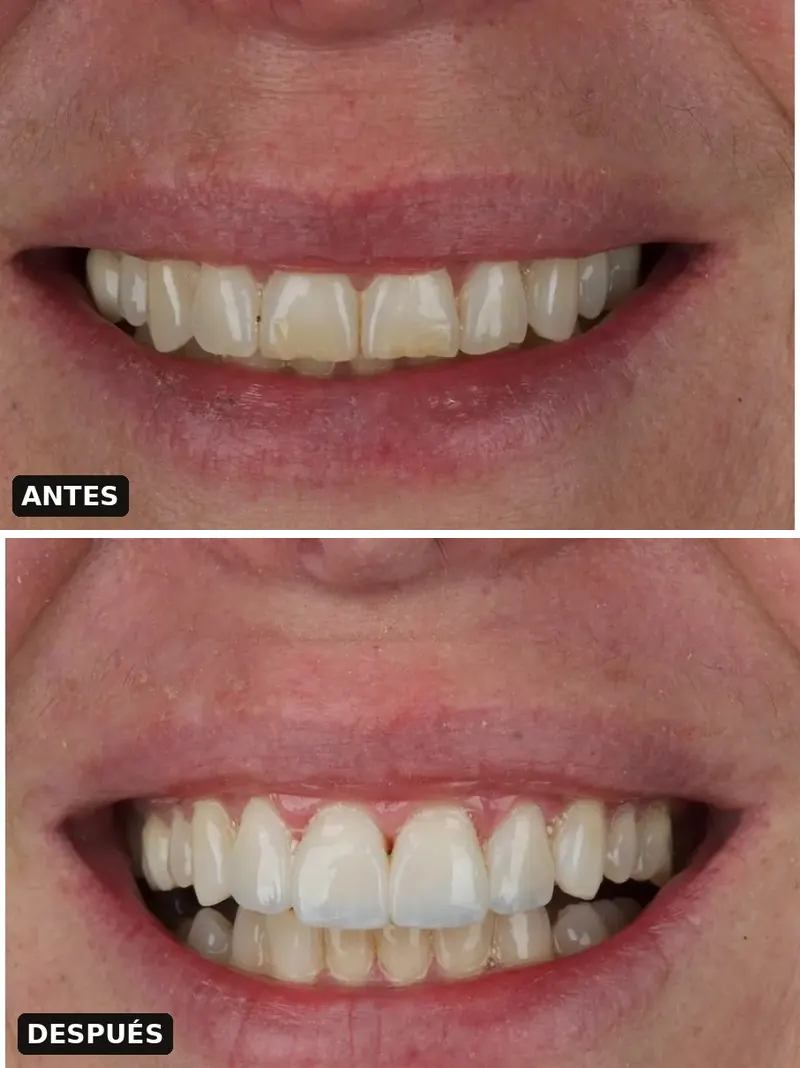
Professional whitening uses stronger products under a dentist's supervision, so it is usually faster and more even, and sensitivity can be managed. At-home kits are gentler and cheaper but slower and less predictable. Either way, start with a cleaning and an exam: whitening only works on natural teeth and is not a fix for every kind of stain.
How whitening works
Whitening products lighten the color of your enamel and the dentin underneath. They do not change the color of fillings, crowns or veneers, which is why restorations should be planned before whitening.
Professional whitening
- Stronger, controlled products applied under supervision
- Usually faster and more even results
- A dentist can check your teeth first and manage sensitivity
At-home kits
- Gentler products used over a longer time
- Lower cost, but less predictable results
- Poorly fitting trays or overuse can irritate gums or increase sensitivity
Why a cleaning comes first
Tartar and surface stains can make teeth look yellow, and whitening cannot remove tartar. A professional cleaning often improves color on its own and prepares the teeth for whitening.
Sensitivity
Temporary sensitivity is common. A dentist can reduce it by choosing the product and technique and by telling you what to avoid for a few days.
What whitening will not fix
- Stains inside the tooth from trauma or certain medications
- Worn enamel; those cases often need composite veneers
- The color of existing fillings or crowns
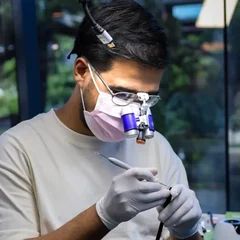
Written by Dr. Mynor Vinicio Luna, dentist at Clínica Dental Moon, zone 10, Guatemala City. This article is for information only and does not replace a professional evaluation.