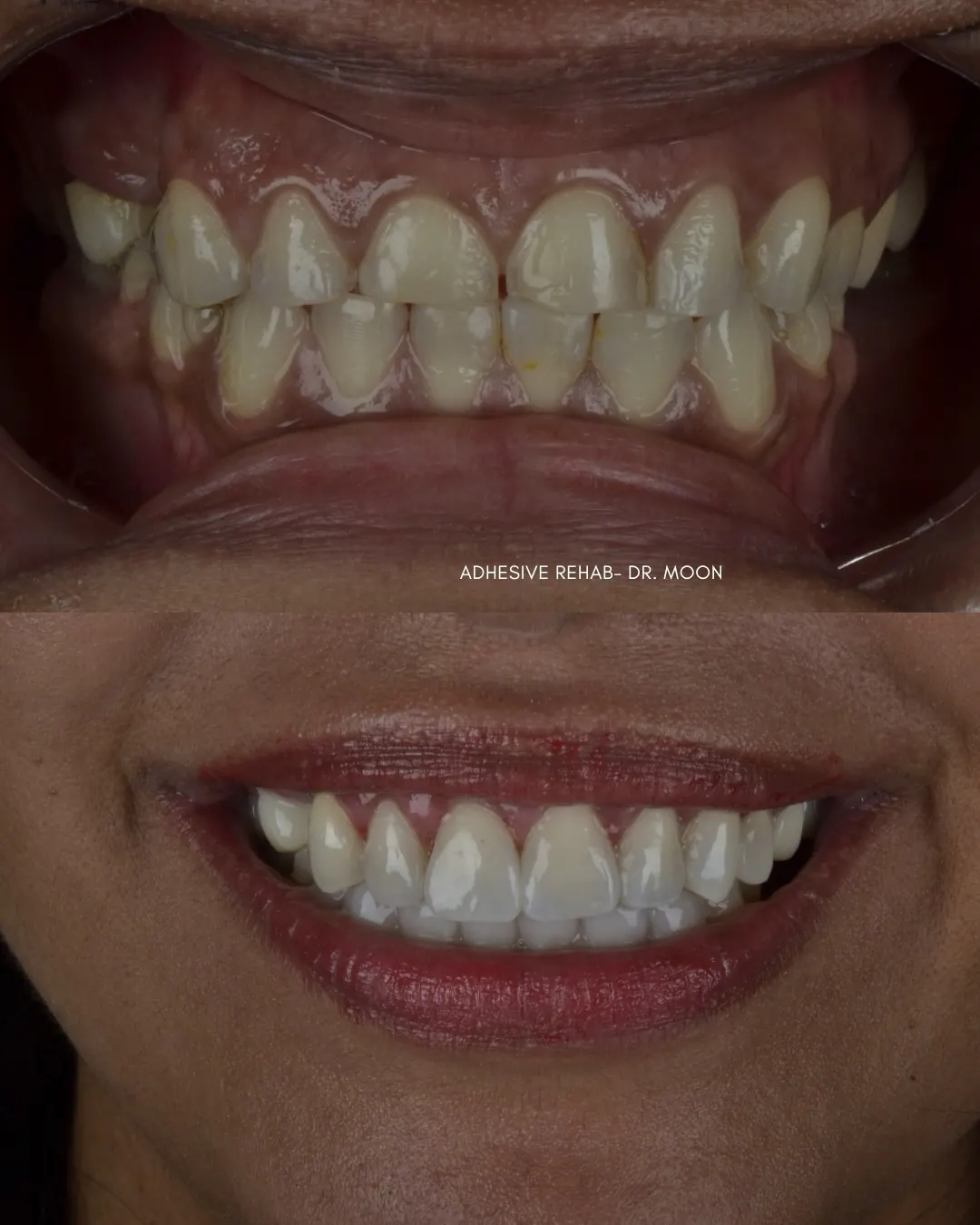
If you wake with jaw or head pain, have flat or worn edges on your teeth, or fracture fillings often, you may be grinding your teeth at night. A custom night guard absorbs the wear instead of your teeth and relaxes the muscles. Store-bought guards can work temporarily, but a custom one is more comfortable and fits your bite.
Signs of bruxism
- Jaw or head pain on waking
- Teeth that look shorter, or flat edges
- Tooth sensitivity without cavities
- A partner who hears grinding at night
- Frequent fractures of fillings or veneers
- Clicking or pain when opening your mouth
What a night guard does
It creates a barrier between upper and lower teeth, so grinding wears the guard rather than your enamel, and it reduces muscle tension. See teeth grinding and night guards.
Custom vs store-bought
Store-bought guards may help temporarily, but because they are not fitted to your bite they can be uncomfortable or even worsen your bite. A custom guard is made from impressions or a digital scan of your mouth.
Protecting veneers and restorations
Grinding can chip veneers and break fillings. A night guard protects them. If you are planning veneers, tell your dentist if you grind.
Other things that help
- Stress management and good sleep habits
- Reducing caffeine and alcohol late in the day
- Repairing worn edges when needed, often with composite

Written by Dr. Mynor Vinicio Luna, dentist at Clínica Dental Moon, zone 10, Guatemala City. This article is for information only and does not replace a professional evaluation.