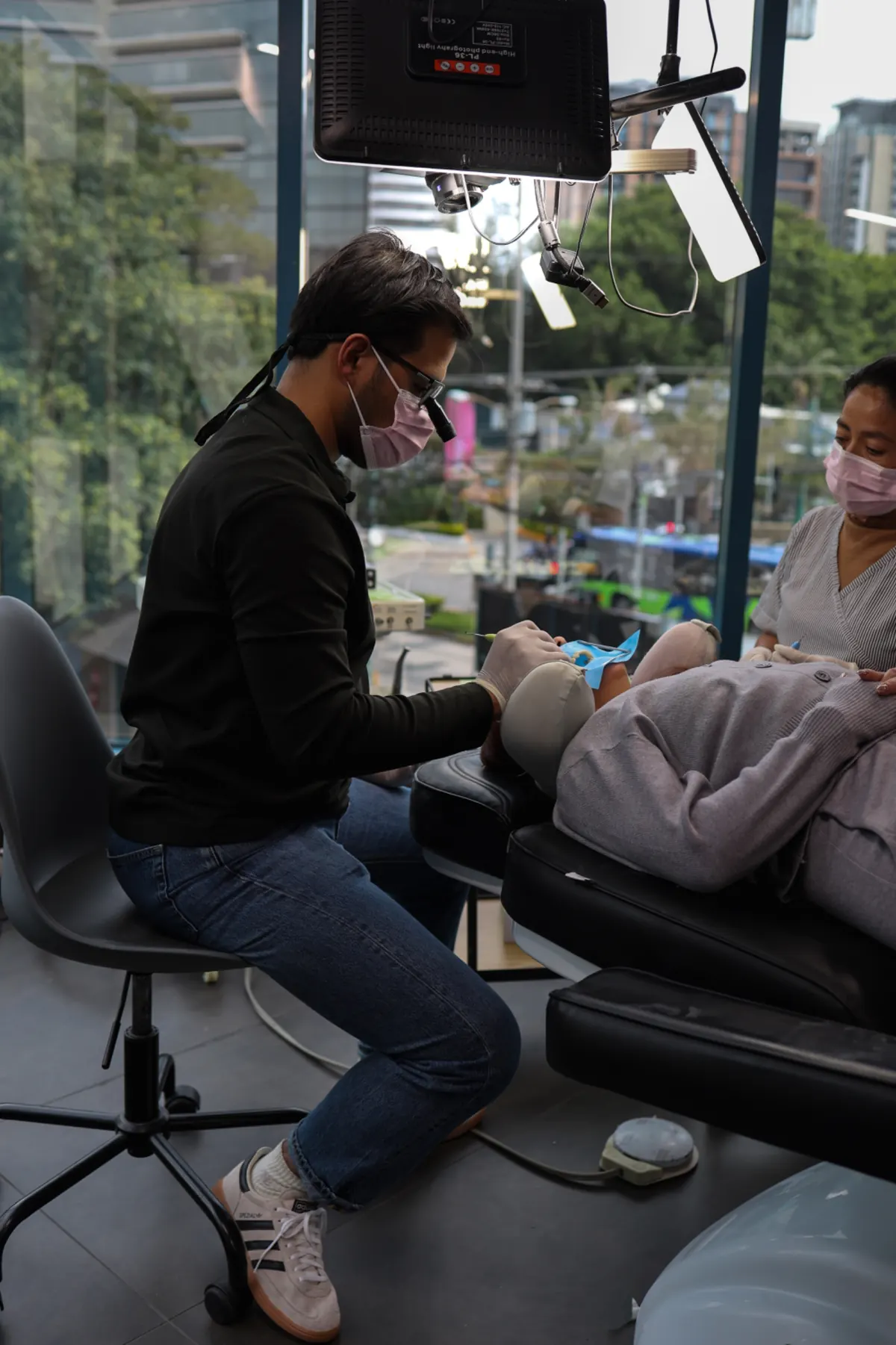
Dental tourism means traveling to another country for dental care. In Guatemala, patients typically come for cosmetic work, implants, crowns and urgent care, often combined with a trip. It can work well when you choose a clinic carefully, plan the number of visits realistically and look at the whole treatment plan, not only the price.
What dental tourism really means
People travel for dental care for different reasons: to save money on extensive treatment, to see a specific kind of specialist, to combine care with a vacation, or simply because they live abroad and visit family. Others never planned it at all: they chip a tooth or get a toothache while already on a trip.
Whatever the reason, the question is the same: will the care be good, and will it fit my schedule? The rest of this guide helps you answer both.
Why people consider Guatemala
Guatemala City is a short flight from many US cities, has modern private dental clinics with digital equipment, and has dentists and staff who speak English. Zone 10, where our clinic is, is also the city's main hotel and restaurant district, so staying close to your appointments is easy.
Many patients find that extensive treatment costs less than it would at home, even after travel. But savings vary a lot by treatment and by clinic, and the cheapest quote is rarely the best one. We explain what drives cost on our international patients page.
Treatments that fit a trip, and treatments that need planning
Some treatments are easy to fit into a short stay:
- Professional cleanings and whitening
- Fillings, inlays and onlays
- Composite veneers, which are built chairside with no outside lab
- Root canals, often completed in one or two visits
- Urgent care for a toothache, a broken tooth or a lost crown
Others are done in stages and need healing time or many visits:
- Dental implants, which need healing time before the final crown
- Dentures and larger rehabilitations, which involve several steps
- Braces and aligners, which need regular check-ups over many months
Which group your case falls into depends on your mouth, not on a category. A good clinic tells you honestly at the first visit.
What to weigh besides price
- Follow-up. Who looks after a problem after you fly home? Ask how follow-up works before you book.
- Communication. You should understand your diagnosis, options and plan in your own language.
- A written plan. What will be done, in which order, with which materials, and how many visits.
- Training and registration. See our guide on how to judge safety.
- Time and recovery. Some treatments leave you swollen or sore for a few days. Plan buffer days.
- Total cost, including flights, hotel and the possibility of a second trip.
How to prepare
- Contact the clinic as early as you can and share your goals and travel dates.
- Send recent X-rays or records if you have them.
- Ask what can be done on one trip and what needs a second visit.
- Check what your health or travel insurance covers.
- Leave one or two buffer days before your flight home.
Our step-by-step trip planning guide goes into more detail.
Red flags to watch for
- Pressure to decide or pay on the first visit
- No written plan, or a plan that changes with no explanation
- A price that is far below everyone else's, with no explanation of materials
- Reluctance to share the dentist's credentials or registration number
- A promise to do everything in one short trip, whatever your case
- No answer about follow-up
How we work with international patients
We speak English and Spanish, plan treatment around your dates when we can, and tell you honestly when something needs more than one trip. You can read how it works, what to bring and how to reach us on our international patients page.
Related treatmentSmile makeover & composite veneers
Written by Dr. Mynor Vinicio Luna, dentist at Clínica Dental Moon, zone 10, Guatemala City. This article is for information only and does not replace a professional evaluation.